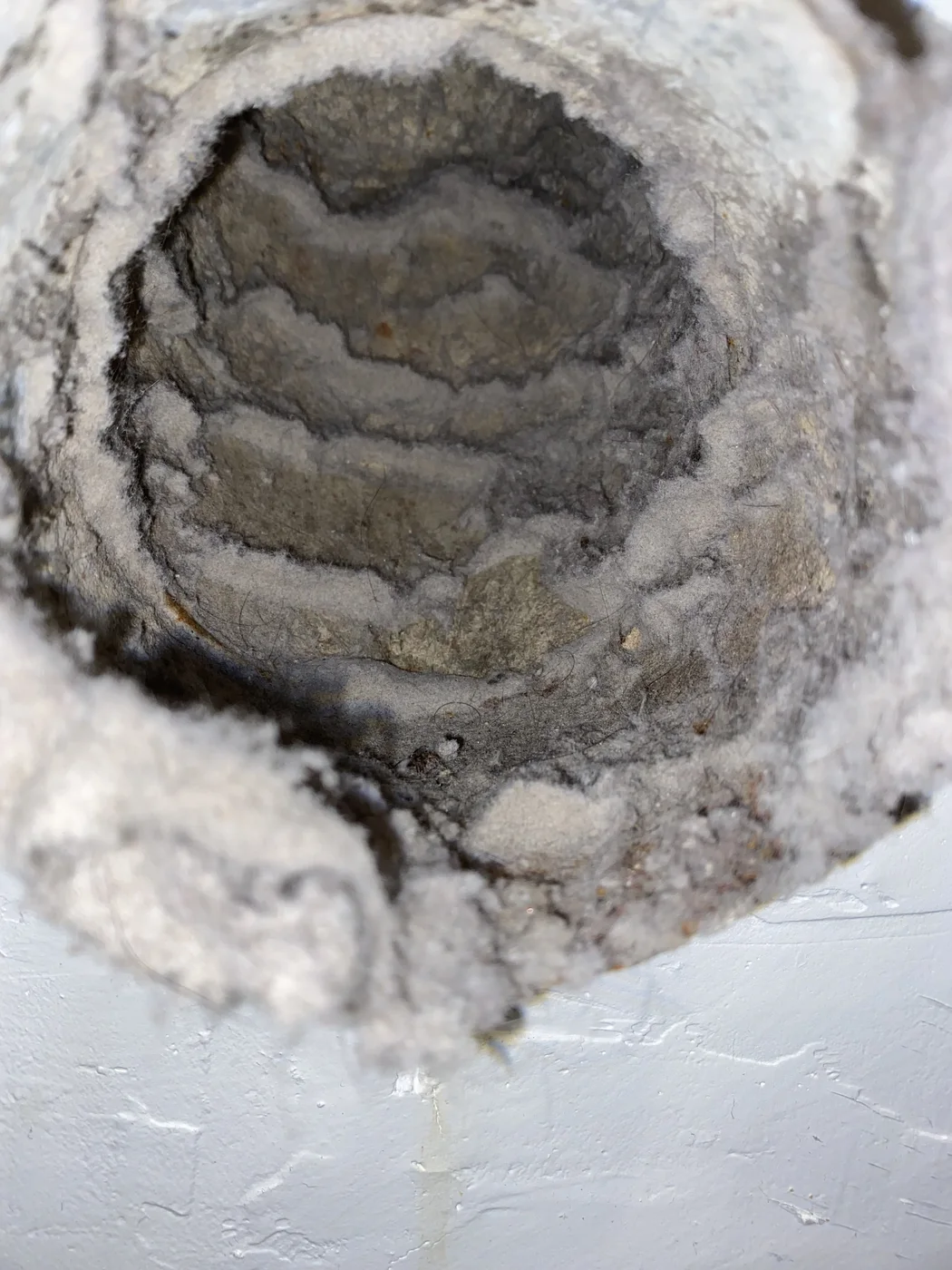
When a familiar load that once dried in one cycle begins needing two, the dryer is telling you that something has changed. Restricted exhaust airflow is one possible explanation, but it is not the only one. Load size, fabric type, cycle selection, a coated lint screen, a crushed connector, a sticking exterior flap, or an appliance component can all affect drying performance. The best response is a short, orderly check of the system rather than assuming that every long cycle proves a clogged vent. Consistent observations help separate a maintenance issue from a dryer repair question.
First confirm that the comparison is fair
Drying time changes with the size of the load, the amount of water left after the washer spin cycle, fabric weight, selected temperature, sensor settings, and whether bulky items are tangled together. Before treating one slow load as a vent problem, compare a familiar load on the same cycle used previously. Avoid packing the drum so tightly that the items cannot tumble. Also confirm that the lint filter is clean and fully seated. Residue from some laundry products can coat a screen even when it looks free of lint, so follow the dryer manufacturer’s cleaning directions if airflow through the filter appears reduced. A pattern across several comparable loads is more informative than a single cycle involving towels, bedding, or an unusually wet washer load.
Look behind the dryer for a simple restriction
The connector behind the appliance is easy to overlook because it disappears from view once the dryer is installed. If the machine has recently been moved, leveled, replaced, or pushed closer to the wall, the transition duct may be compressed or sharply bent. The U.S. Fire Administration specifically advises checking that the venting behind the dryer is not damaged, crushed, or restricted. A clean but flattened connector can limit airflow just as a round duct packed with lint can. Do not pull a gas dryer or disconnect utilities unless you can do so safely and in accordance with the manufacturer’s instructions. If access is tight, a technician can inspect the connector while protecting the appliance connections and surrounding finishes.
Observe what happens at the exterior outlet
If the termination can be observed safely from ground level, run the dryer on an appropriate cycle and check whether the exterior flap opens. The presence of some airflow does not prove that the full route is unrestricted, but a flap that barely moves, remains stuck, or is surrounded by visible lint gives the next evaluation a useful starting point. Do not climb onto a roof or reach into a running outlet. Roof terminations, upper-story wall outlets, and inaccessible condominium terminations call for planned professional access. Also remember that exterior movement depends partly on the dryer model and operating stage, so a visual check is a screening step, not a substitute for a controlled airflow comparison.
Vent restrictions and appliance problems can feel similar
A restriction can make it harder for the dryer to move moisture outdoors, which may contribute to longer cycles. Appliance manufacturers also identify vent restrictions as one possible cause of airflow warnings and poor drying performance. Yet a clear exhaust path cannot correct a failed heating element, gas-supply issue, worn blower, inaccurate moisture sensor, thermostat problem, or washer that leaves clothing unusually wet. This distinction matters after cleaning. If accessible buildup is removed, the transition duct is open, the exterior damper operates, and comparable loads still take substantially longer, the next call may be to an appliance service technician. A vent cleaner should describe the exhaust findings without diagnosing internal dryer components outside the scope of the visit.
Know when to stop troubleshooting
Turn the dryer off and follow the manufacturer’s service guidance if you notice a burning odor, smoke, scorching, unusual mechanical noise, or repeated error messages that do not clear after basic approved checks. Do not continue running extra cycles simply to work around a persistent change in performance. For a routine long-dry-time concern, note when the change began, which loads are affected, whether the appliance was recently moved, and where the exhaust terminates. Those details help the right professional start efficiently. Vent cleaning is appropriate when buildup is present; connector correction is appropriate when the transition is damaged or compressed; appliance service is appropriate when the exhaust path does not explain the symptom.
Still waiting through a second drying cycle?
Zarts can inspect the accessible vent path, evaluate the transition connection, clean accumulated lint, and compare airflow before and after service. If the findings point beyond the exhaust system, we will explain that distinction clearly.
Sources and further reading
These primary sources support the general consumer and system information in this guide. They do not endorse Zarts or replace evaluation of a specific home.