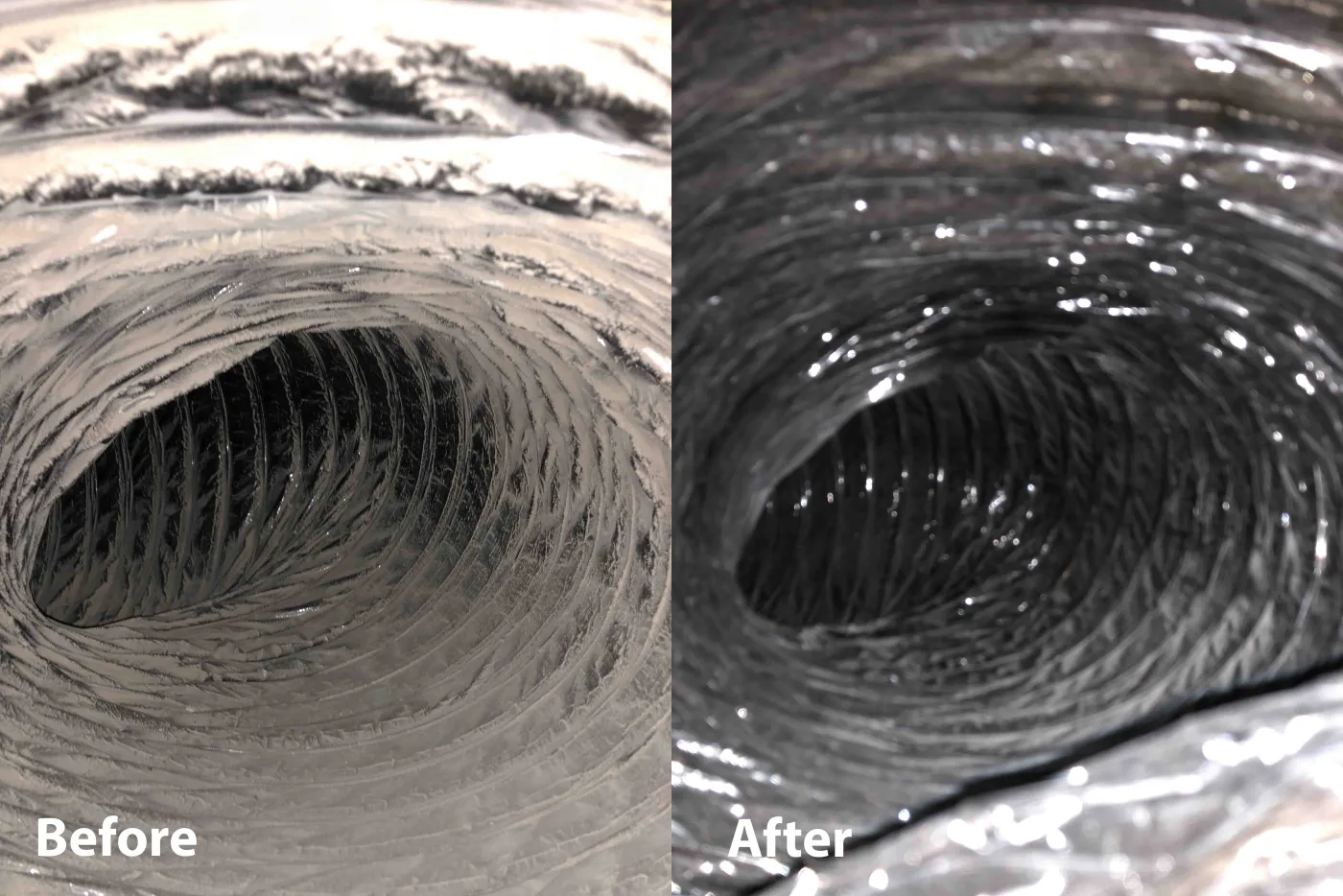
An attractive air duct cleaning advertisement can be a legitimate way to introduce a service. Trouble starts when the advertised job changes after the crew arrives, or when a routine inspection becomes a frightening sales pitch. Use these checks to decide what needs clarification before you book and what should make you pause once someone is in your home.
1. “Whole house” has no clear component list
A broad label can hide a narrow service. Ask whether the offer includes accessible supply and return ducts, the number of HVAC systems, and the supply registers and return grilles. Cleaning the visible covers is different from cleaning the duct paths behind them. Blowers, coils, and other equipment components need their own scope explanation.
Ask the company to confirm any system-count, size, or access limits in writing. If a second system or inaccessible section changes the price or the work, you should understand that before booking. A clear exclusion is useful information; an exclusion revealed only after work starts is a reason to question what was agreed.
2. The advertised discount becomes an unexplained total
Money off is a discount, not the price of the cleaning. Request the quoted total for your property, what the discount applies to, and whether any additional charges remain. Compare the same included work across estimates. A genuine promotion can be worthwhile when its eligibility and final scope are clear.
NADCA warns about low-price offers that lead to minimal cleaning followed by pitches for unnecessary additional services. This does not make every inexpensive service suspicious. The useful check is whether the company explains the price and lets you choose without changing the promised job. Keep a copy of the advertisement and the written estimate.
3. Dust or a photograph becomes a health diagnosis
Ordinary dust on a return grille does not prove that the duct system needs cleaning. The EPA explains that return openings commonly collect dust and that duct cleaning has not been shown to prevent health problems. Be cautious when a sales pitch promises to cure allergies, eliminate illness, or guarantee a healthier household.
A dark mark or a dramatic photograph also cannot reliably identify mold. Ask where the material was found and what supports the conclusion. The EPA notes that positive identification may require expert evaluation or laboratory analysis. Do not approve an expensive treatment solely because someone labels an unfamiliar spot dangerous. Moisture and the cause of any confirmed problem need attention separately.
4. An unexpected finding requires an immediate decision
Real conditions can differ from a preliminary description. A damaged duct, inaccessible area, or substantial deposit may justify revising the plan. The red flag is pressure to accept a new service before seeing the finding, understanding the options, or receiving the revised scope and price.
The FTC identifies pressure for an immediate decision as a warning sign in home improvement sales. Ask the crew to explain the affected component, the proposed work, and what happens if you decline. For a nonurgent concern, you can pause and seek another opinion. Genuine equipment or electrical hazards need an appropriate qualified professional, not a rushed cleaning upgrade.
5. Equipment names and credentials replace an explanation
Ask how the company will loosen deposits and collect the removed material, which access points it expects to use, and how it handles fragile or inaccessible ducts. A machine name or pressure number alone does not tell you whether the agreed components will be addressed. Likewise, a short or long visit alone does not establish quality.
If a company advertises a certification or association membership, verify the exact claim with the issuing organization. NADCA specifically warns about unauthorized use of its name and logo. A logo should not substitute for a clear business identity, relevant experience, and an understandable service proposal. These checks apply to any provider you consider.
6. Cleaning, chemicals, and separate services blur together
A proposed disinfectant, sealant, or deodorizer should not silently become part of a cleaning package. Ask what product would be used, why it is recommended, whether it is suitable for the materials involved, and what evidence supports the claimed benefit. EPA guidance describes uncertainties around chemical treatments inside ducts; a product pitch is not a substitute for identifying the condition.
Dryer vent cleaning is also a separate service on a separate exhaust path. Confirm whether it is included, optional, or priced separately. Duct repair, equipment repair, moisture correction, and mold remediation should not be implied by a vague promise to clean everything.
Before you approve the work
You do not need to diagnose your HVAC system to make a careful purchasing decision. You need a record of the offer, the components being addressed, the expected result, and the amount you are agreeing to pay. Use this short checklist when comparing services.
- Save the advertisement and obtain the provider’s business name and contact details.
- Confirm system count, included components, access limits, and exclusions.
- Ask for the final quoted total and any discount conditions in writing.
- Require an explanation and your approval before additional work begins.
- Request findings tied to identifiable components, plus a completion walkthrough.
Ask Zarts for a clear scope before booking
Send your city, home size, HVAC system count, and the condition you are seeing. Zarts can review the property details and explain the proposed accessible cleaning scope. Tampa service is planned for December 2026; advance requests are reviewed individually before booking.
Sources and further reading
These primary sources support the general consumer and system information in this guide. They do not endorse Zarts or replace evaluation of a specific home.